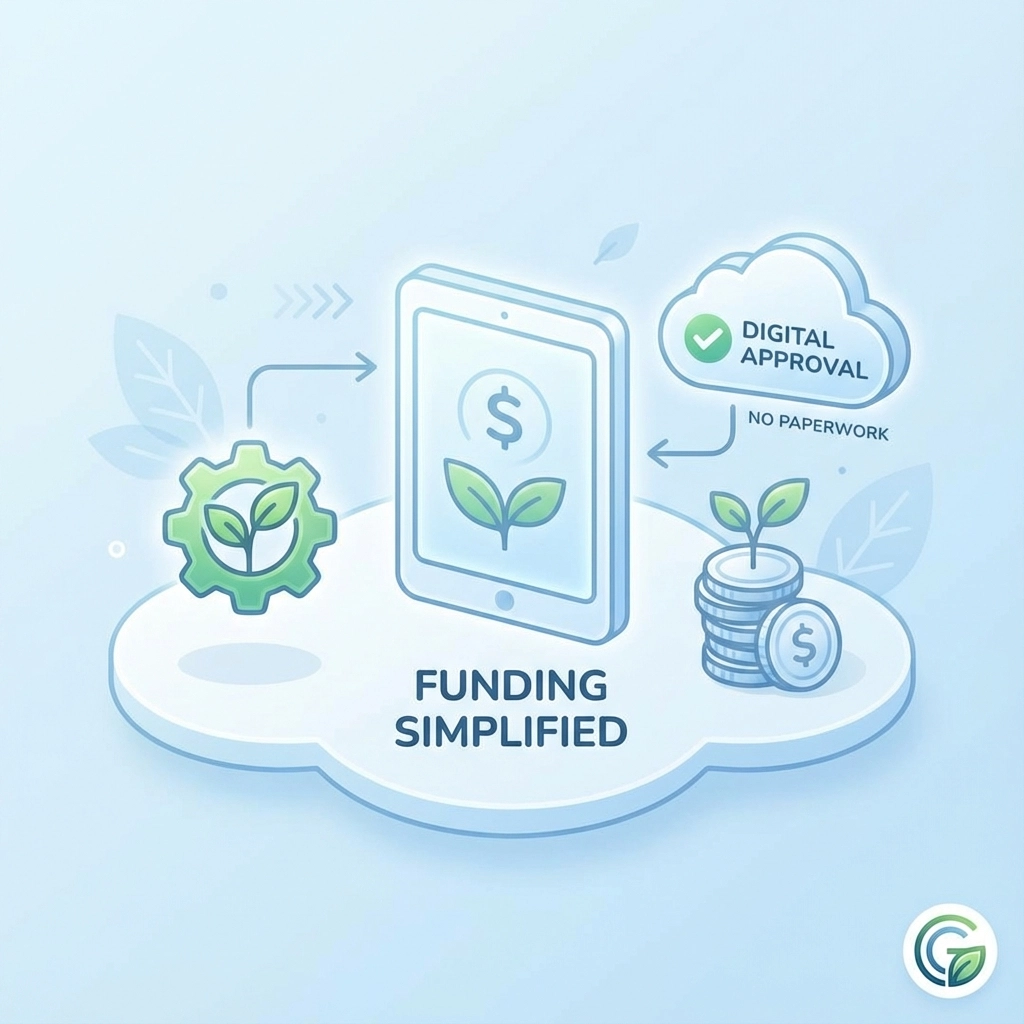
You've probably heard that getting green business funding means drowning in government paperwork and waiting months for approval. Not true. While some sustainability programs do require extensive documentation, there are plenty of streamlined options that can get you funded fast, even if your credit isn't perfect.
The key is knowing which funding paths match your timeline and paperwork tolerance. Let's break down your real options, starting with the quickest wins.
Quick Wins: Low-Paperwork Green Funding Options
Crowdfunding: Your Fastest Start
Crowdfunding platforms like Kickstarter, GoFundMe, and Indiegogo require minimal paperwork, just platform compliance and a compelling story about your eco-friendly business. You're not dealing with credit checks, financial statements, or complex loan applications.
The beauty of crowdfunding is that your sustainability angle actually works in your favor. People love supporting green initiatives, whether you're launching eco-friendly packaging, sustainable fashion, or zero-waste restaurant concepts. You just need to clearly communicate how their support creates environmental impact.

Kiva Microloans: $10K Without the Hassle
Kiva offers small business funding up to $10,000 with minimal qualification requirements. This 501(c)(3) nonprofit connects you directly with individual lenders who want to support sustainable businesses. No traditional credit requirements, no complex applications, just basic business information and your sustainability story.
Repayment terms extend up to 36 months, and the process typically takes weeks, not months. Perfect for covering initial equipment costs, inventory, or working capital loan needs while you grow.
Alternative Lenders: Speed Over Perfect Credit
Fintech lenders have revolutionized business funding by prioritizing cash flow over credit scores. Companies like OnDeck, BlueVine, and Funding Circle can approve loans within 24-48 hours based on your business performance rather than your personal credit history.
You'll pay higher interest rates than traditional banks, but you'll also skip the endless documentation requirements. Most alternative lenders only need basic financials, bank statements, and business registration, no 40-page loan packages.
Traditional Options Made Easier
SBA 7(a) Loans: More Flexible Than You Think
Here's what most business owners don't know: SBA 7(a) loans don't require your business to be specifically "green" to qualify. You can borrow up to $5 million for almost any business purpose, including working capital, equipment, and real estate.
The SBA guarantees up to 85% of these loans, which means lenders take less risk and approve more applications. Yes, you'll need documentation, but it's standardized paperwork that your accountant can help compile quickly.

The process typically takes 2-4 weeks through preferred SBA lenders, and you can use the funds for any legitimate business expense that supports your sustainability goals.
Equipment Financing: Built-in Collateral
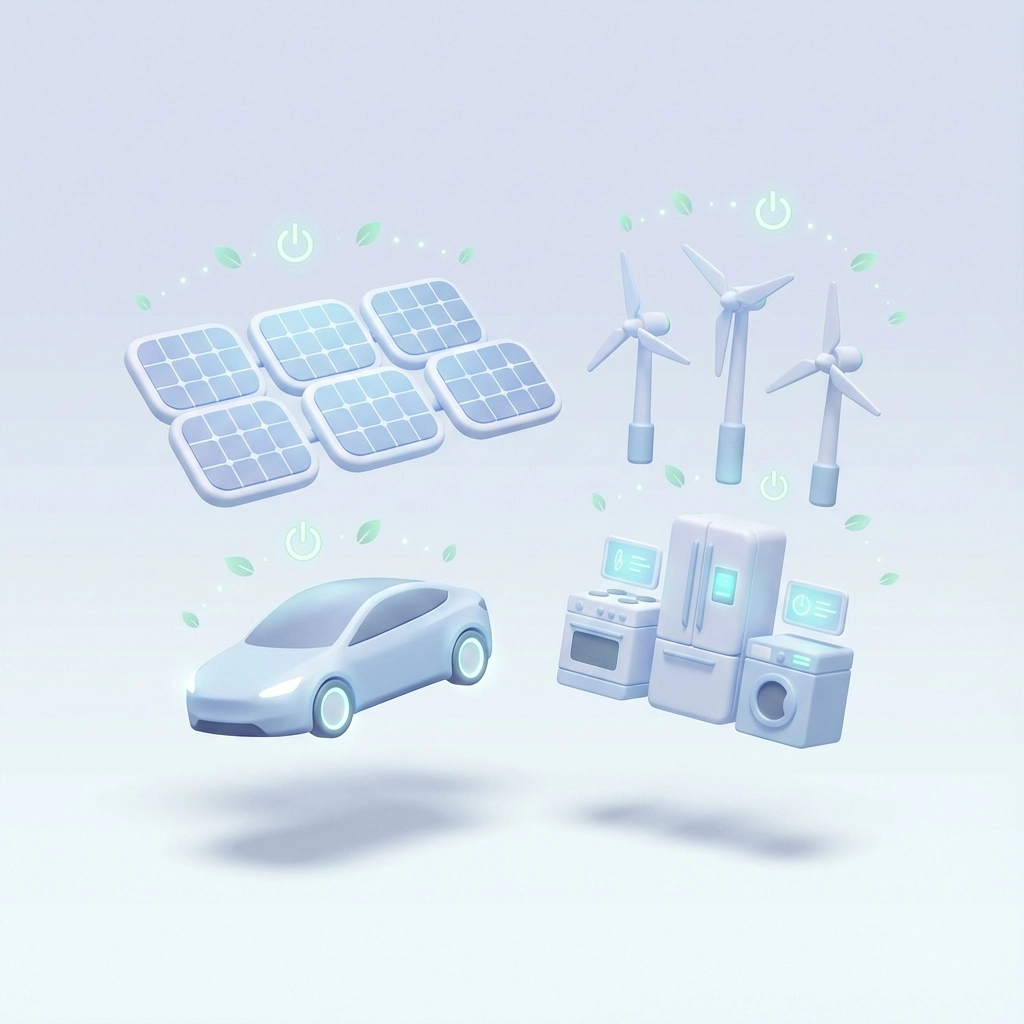
If you need eco-friendly equipment: solar panels, energy-efficient machinery, electric vehicles: equipment financing offers a streamlined approval process. The equipment itself serves as collateral, which reduces lender risk and paperwork requirements.
Many equipment financing companies specialize in green technology and understand the ROI of sustainable equipment. They can often approve loans faster than traditional banks because they're familiar with the technology and its resale value.
Government Programs: Worth the Extra Effort
While federal and state sustainability loans require more documentation, they offer unmatched terms and often don't require repayment (grants). Here's how to approach them strategically:
Federal Opportunities
The EPA sponsors grants for air quality improvement, brownfields cleanup, and clean diesel initiatives. The Department of Energy's Loan Program Office has over $40 billion available for large-scale energy infrastructure projects.
These programs are competitive, but they're not impossible to win. The key is submitting polished applications that clearly demonstrate measurable environmental impact and sound business fundamentals.
State and Local Programs
States like California (CalRecycle) and Michigan offer recycling and sustainability grants with less competition than federal programs. Local economic development agencies often have targeted initiatives for specific waste streams or underserved populations.
The EPA's Solid Waste Infrastructure for Recycling Grant Program distributed $275 million between 2022 and 2026: real money for real businesses.
Practical Steps for Any Industry
Start with Your Current Situation
If you're a brand-new business without credit history, begin with crowdfunding or Kiva loans. These options help you build business credit while funding initial operations.
If you have established credit and cash flow, SBA loans and alternative lenders offer larger amounts with reasonable terms. Save federal grant applications for when you have time to invest in comprehensive proposals.
Make Your Green Story Compelling
Every sustainability business has unique environmental benefits. A restaurant reducing food waste, a consulting firm helping companies go paperless, or a retail store selling refurbished electronics: all qualify for green funding programs.
Document your environmental impact with specific metrics: pounds of waste diverted, gallons of water saved, carbon emissions reduced. Lenders and grant reviewers want measurable outcomes, not vague environmental claims.
Build Relationships Before You Need Money
Many green business funding opportunities come through networking and relationships. Join local business environmental groups, attend sustainability conferences, and connect with other eco-friendly entrepreneurs.
Local banks often have community reinvestment initiatives that prioritize sustainable businesses. Building relationships with community lenders before you need funding can significantly streamline the application process when you do.

Common Myths That Stop Business Owners
Myth: You need perfect credit for sustainability loans.
Reality: Many green funding options prioritize environmental impact over credit scores. Crowdfunding, Kiva loans, and some alternative lenders focus on your business model and cash flow.
Myth: Government programs take forever and never approve anyone.
Reality: While competitive, government programs fund thousands of businesses annually. Local and state programs often have shorter timelines and less competition than federal options.
Myth: You need to be in a "green" industry to qualify.
Reality: Any business implementing sustainable practices can access many funding programs. A traditional restaurant switching to compostable packaging or a construction company using eco-friendly materials both qualify for sustainability funding.
Getting Started This Week
Your next steps depend on your immediate funding needs and timeline:
Need money within 30 days? Start with alternative lenders or crowdfunding platforms. These options require minimal paperwork and can provide quick access to working capital loan funds.
Planning 2-6 months ahead? Research SBA loan options and begin the application process. The documentation requirements are manageable, and the terms are typically excellent.
Thinking long-term growth? Identify relevant federal and state grant programs. Start building relationships with program administrators and preparing the detailed business plans these applications require.

The green business funding landscape has never been more accessible. Whether you're launching an eco-friendly startup or transitioning an existing business to sustainable practices, multiple funding paths can support your goals without overwhelming paperwork.
The key is matching your funding strategy to your timeline and paperwork tolerance. Start with the quickest options to build momentum, then layer in more comprehensive programs as your business grows and your documentation improves.
Your sustainable business doesn't have to wait for perfect conditions or perfect credit. The funding is available now: you just need to know where to look and how to apply strategically.
Ready to explore your funding options? Visit our funding guide to see which programs match your specific business needs and timeline.
Leave a Reply