
You've probably heard the horror stories. Business owners drowning in debt. Daily payments sucking their accounts dry. The "quick fix" that turned into a financial nightmare.
So when someone mentions merchant cash advances (MCAs), your guard goes up. And honestly? That's a smart instinct.
But here's the thing, MCAs aren't inherently evil. They're a financial tool. Like any tool, they can help you build something great or cause serious damage depending on how you use them.
Let's cut through the noise and give you the real story about merchant cash advances so you can make an informed decision for your business.
What Exactly Is a Merchant Cash Advance?
First, let's clear up a common misconception. A merchant cash advance isn't technically a loan. It's an advance against your future credit card sales or receivables.
Here's how it works:
- You receive a lump sum of capital upfront (typically $5,000 to $500,000)
- You repay through automatic deductions from your daily or weekly sales
- The repayment amount fluctuates based on your actual revenue
Sounds flexible, right? That's the appeal. No fixed monthly payments. No collateral requirements in most cases. And approval can happen in as little as 24-48 hours, even if your credit score isn't stellar.
But that convenience comes at a price. A significant one.

The Cost Reality: What You're Actually Paying
Let's talk numbers, because this is where things get real.
MCAs don't use traditional interest rates. Instead, they use factor rates, typically ranging from 1.2 to 1.5. Here's what that means in dollars:
| Amount Borrowed | Factor Rate | Total Repayment |
|---|---|---|
| $50,000 | 1.2 | $60,000 |
| $50,000 | 1.35 | $67,500 |
| $50,000 | 1.5 | $75,000 |
That might not look terrible at first glance. But when you calculate the annualized percentage rate (APR), you're often looking at 30% to over 200% depending on how quickly you repay.
Compare that to:
- Traditional bank loans: 6-13% APR
- SBA loans: 10-13% APR
- Business lines of credit: 8-24% APR
The difference is massive. And it directly eats into your profits.
The bottom line: MCAs are expensive. Not "kind of" expensive, significantly expensive. You need to go in with your eyes wide open.
The Cash Flow Trap: Why Daily Payments Hurt
Here's where many business owners get blindsided.
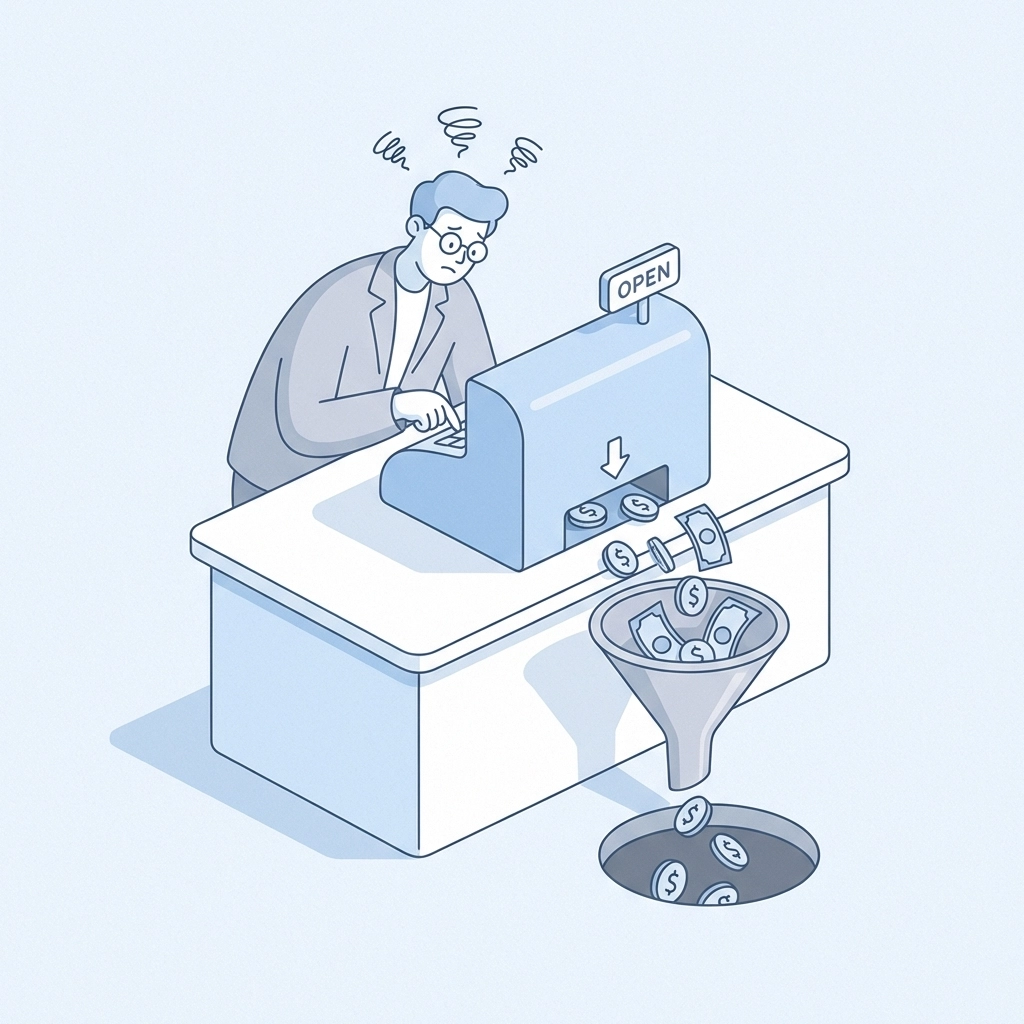
That "flexible" repayment structure? It can become a stranglehold during slow periods.
When your sales dip, and they will at some point, those automatic daily deductions don't stop. Sure, they might decrease proportionally, but they're still pulling from an already-tight cash position.
Suddenly you're struggling to cover:
- Payroll
- Rent and utilities
- Inventory restocking
- Unexpected expenses
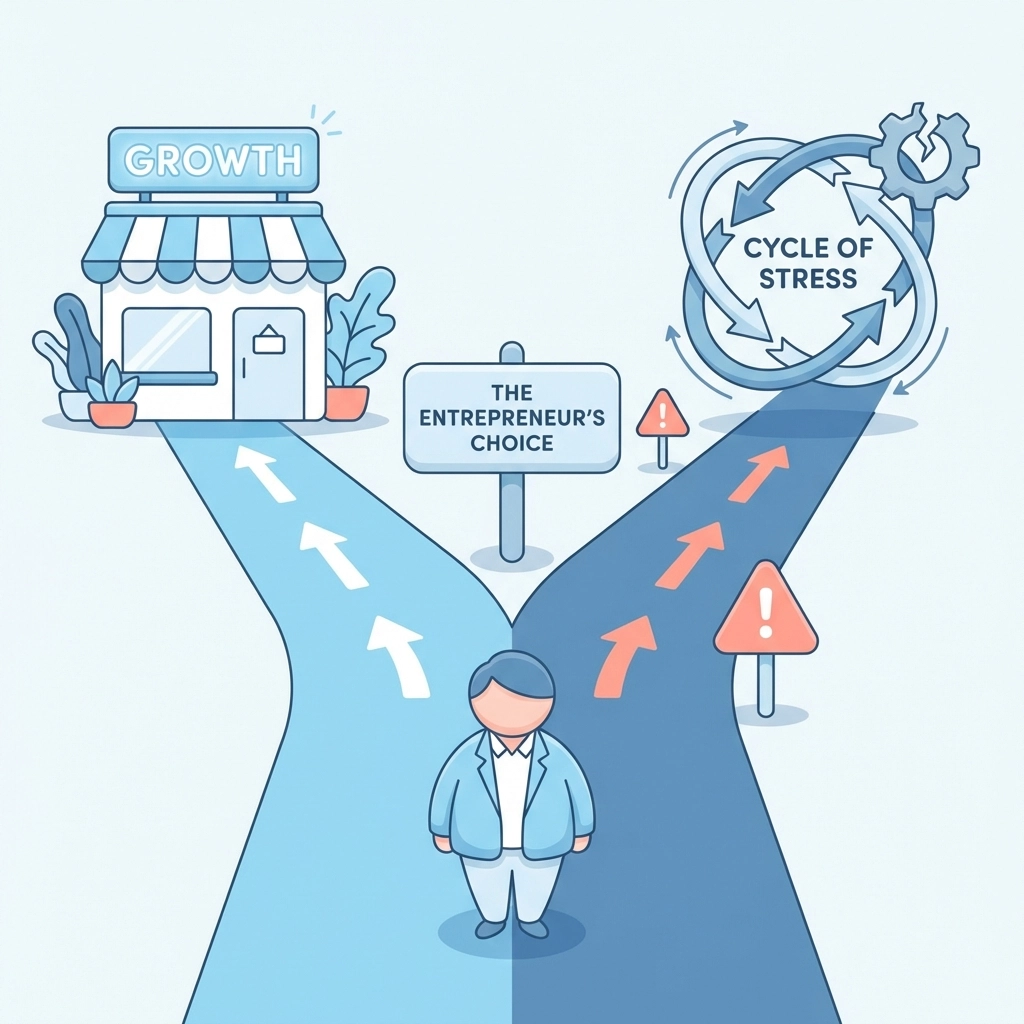
And what do many business owners do when cash gets tight? They take out another MCA to cover the gap.
This is what financial experts call the "stacking" or borrowing cycle. It's a trap that's incredibly difficult to escape once you're in it.
The Regulation Problem
Here's something most MCA providers won't advertise: merchant cash advances aren't regulated like traditional loans.
Because they're technically "purchases" of future receivables rather than loans, they fall outside many consumer and business lending protections. This means:
- No federal oversight on terms or disclosures
- No caps on factor rates or fees
- Limited recourse if you feel you've been treated unfairly
Some providers also impose restrictions you might not expect, prohibiting you from switching credit card processors, offering cash discounts to customers, or even taking extended time off until your advance is fully repaid.
Always read the fine print. Better yet, have a financial advisor or attorney review any MCA agreement before you sign.
When MCAs Actually Make Sense
Okay, so we've covered the risks. But MCAs exist for a reason. In certain situations, they can be a legitimate solution.
An MCA might work for you if:
- You need capital fast (within 24-72 hours)
- Your credit score is below 600 and traditional financing isn't available
- You have a specific, short-term opportunity with a clear ROI
- You've calculated the total cost and your margins can absorb it
- You have a concrete plan to repay quickly
For example, let's say you run a retail business and a supplier offers you a 40% discount on inventory, but only if you pay within the week. You don't have the cash on hand, and banks take 30-60 days to approve loans.
In that scenario, even an expensive MCA might make financial sense if the inventory profit significantly exceeds your borrowing costs.
The key question: Will this capital generate returns that clearly outweigh the cost?
If the answer isn't a confident "yes," keep looking for alternatives.
Red Flags to Watch For
Not all MCA providers operate the same way. Some are more transparent and reasonable than others. Here are warning signs that should make you walk away:
- Pressure to sign immediately without time to review terms
- Vague or confusing disclosures about total repayment amounts
- Factor rates above 1.5 (that's already extremely expensive)
- Hidden fees for origination, processing, or early repayment
- Aggressive collection practices mentioned in reviews or complaints
- Requirements to sign a confession of judgment (illegal in some states, but still used)
Do your homework. Check reviews, verify the company's reputation with the Better Business Bureau, and ask other business owners about their experiences.
Better Alternatives to Consider
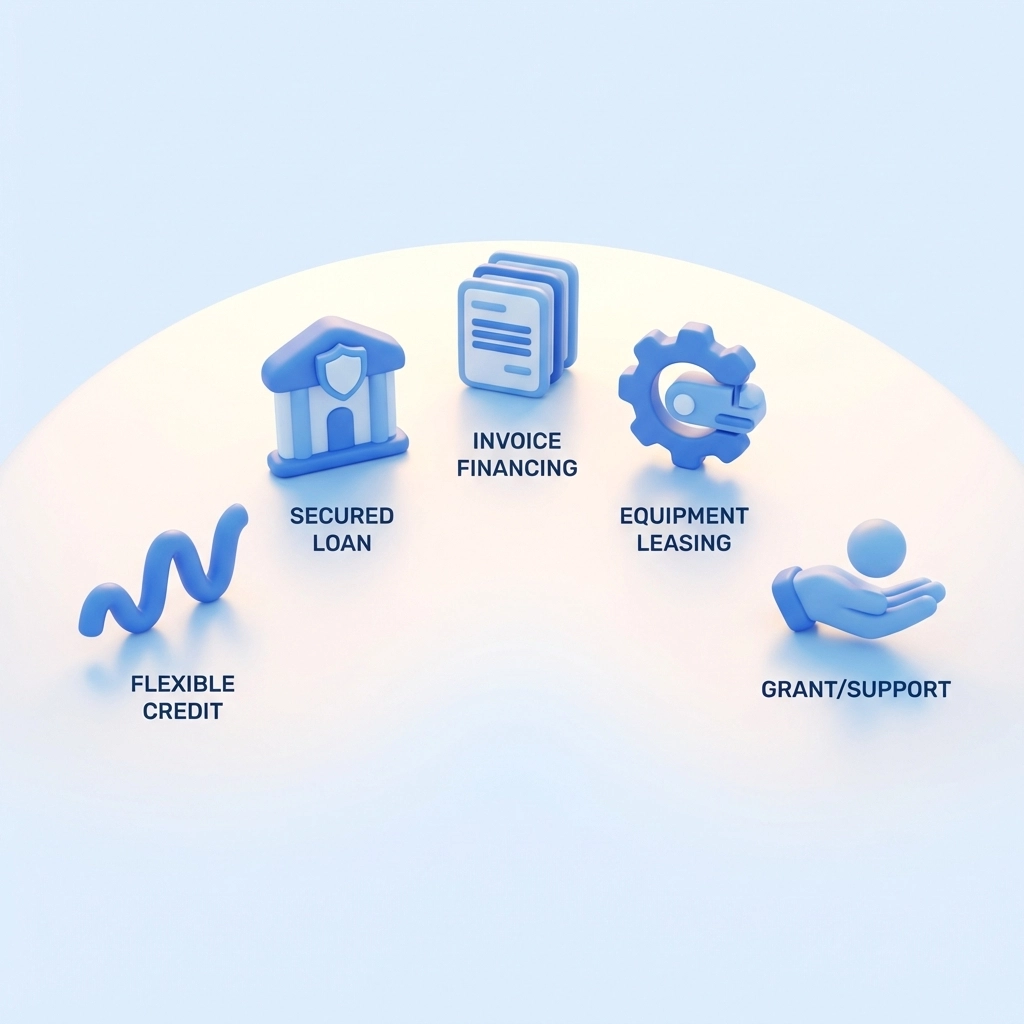
Before jumping into an MCA, explore these options that might cost you significantly less:
1. Business Line of Credit
Flexible access to funds with interest rates typically between 8-24% APR. You only pay interest on what you use. Learn more about your options here.
2. SBA Microloans
Loans up to $50,000 with rates around 8-13%. Yes, the application process takes longer, but the savings are substantial.
3. Invoice Factoring
If you have outstanding invoices, factoring lets you access that cash immediately: often at lower rates than MCAs.
4. Equipment Financing
Need the capital for specific equipment? Dedicated equipment loans use the equipment as collateral, resulting in better terms.
5. Bad Credit Business Funding
Even with less-than-perfect credit, you have options beyond MCAs. Check out alternatives for businesses with credit challenges.
Making the Right Choice for Your Business
So, are merchant cash advances bad?
Here's the honest answer: They're bad for most situations, but not all.
MCAs are a high-cost, high-risk financing option that should be treated as a last resort: not a first choice. The businesses that get burned are usually those who didn't fully understand the costs, didn't have a clear repayment plan, or got trapped in stacking cycles.
But if you've exhausted other options, have a specific short-term need, and have done the math on your total costs versus expected returns? An MCA can serve its purpose.
Your action steps:
- Calculate exactly what you need and why
- Explore all alternative funding options first
- If considering an MCA, get quotes from multiple providers
- Read every word of the agreement (seriously, every word)
- Consult with a financial advisor before signing
Need help figuring out which funding option makes sense for your situation? Reach out to our team: we're here to help you find the right fit, not just the fastest option.
Disclaimer: This article is for educational purposes only and does not constitute financial advice. Terms, rates, and availability vary by lender and your specific business situation. Always consult with a qualified financial professional before making funding decisions.
Leave a Reply