
Starting a business is tough enough without worrying about cash flow. You've got a brilliant idea, the drive to succeed, and maybe even your first customers lined up. But here's the reality: 82% of small businesses fail due to cash flow problems, not lack of demand.
The good news? You don't need perfect credit to secure working capital for your startup. Let's break down exactly what you need to know about startup funding and how to get the cash flowing into your business, even if your credit score isn't picture-perfect.
What Is Working Capital and Why Do Startups Struggle With It?
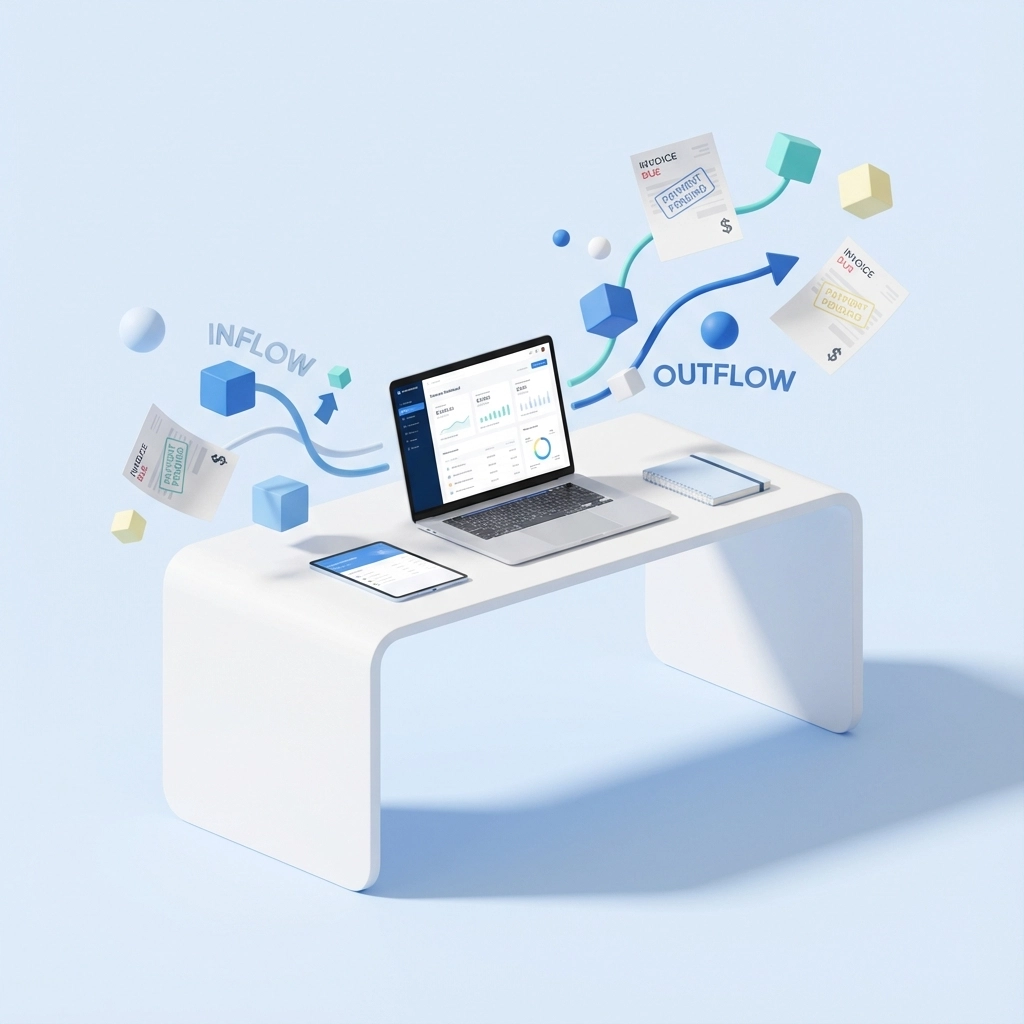
Working capital is simply the money you need to keep your business running day-to-day. Think payroll, rent, inventory, marketing costs, and those unexpected expenses that always pop up. It's the difference between your current assets and current liabilities.
Here's where most startups get stuck: traditional banks want to see 2-3 years of business history, strong revenue, and credit scores above 680. As a new business owner, you probably don't have any of that yet. You're caught in the classic catch-22: you need money to make money, but lenders want proof you're already making money.
But that doesn't mean you're out of options. Far from it.
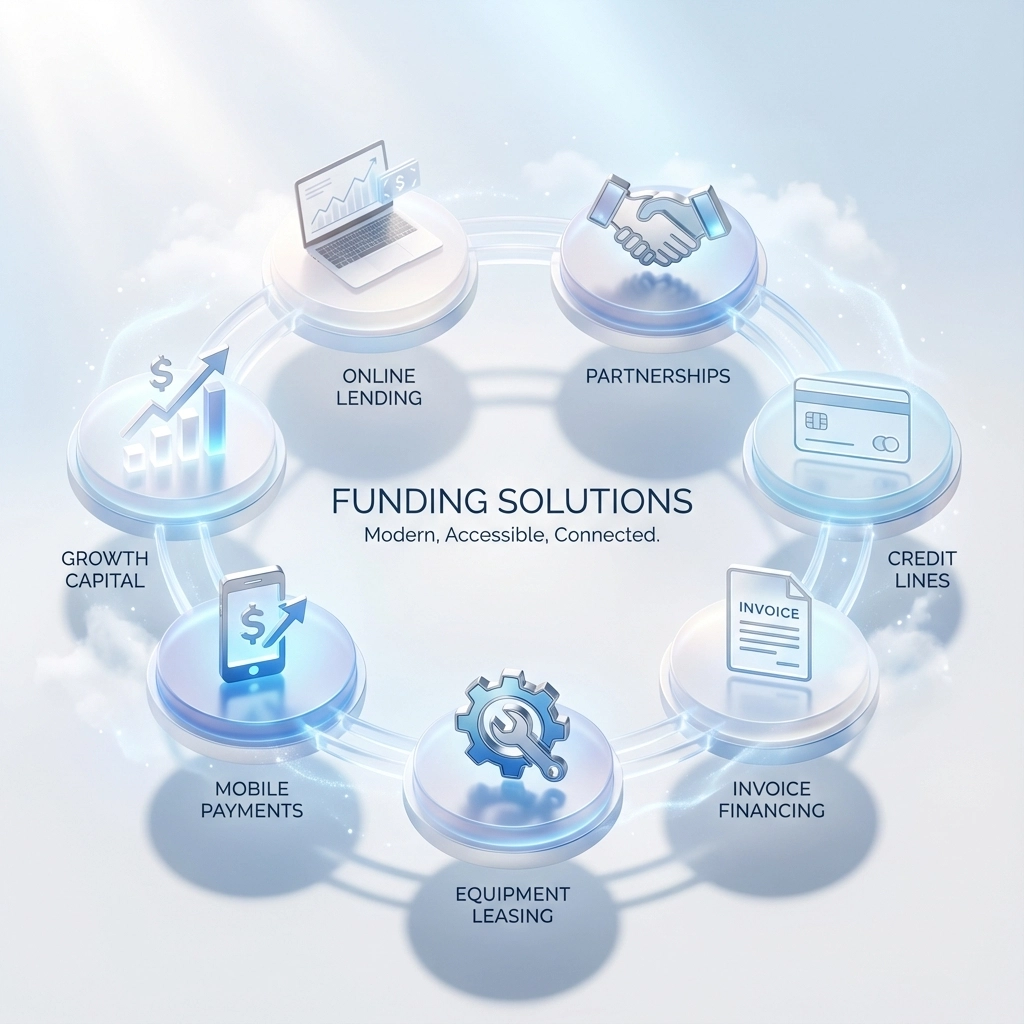
Your Working Capital Funding Menu: 7 Options That Don't Require Perfect Credit
1. SBA Loans: The Startup-Friendly Government Option
SBA loans might sound intimidating, but they're actually designed for businesses like yours. The Small Business Administration backs these loans, which means lenders take less risk and you get better terms. SBA microloans start as low as $500 and go up to $50,000, with credit requirements as low as 575-600.
The SBA 7(a) program offers up to $5 million with competitive rates. Even better? Many SBA lenders focus more on your business plan and cash flow projections than your personal credit history.
2. Business Line of Credit: Your Financial Safety Net
A business line of credit works like a credit card for your business. You get approved for a certain amount (typically $10,000 to $250,000), but you only pay interest on what you actually use. Perfect for managing those unpredictable cash flow gaps.
Many online lenders offer lines of credit with credit scores as low as 550, though you'll pay higher interest rates. The trade-off? You get access to funds within 24-48 hours when you need them most.
3. Invoice Factoring: Turn Outstanding Invoices Into Immediate Cash
Got customers who pay on 30, 60, or 90-day terms? Invoice factoring lets you sell those outstanding invoices for immediate cash. You typically get 70-90% of the invoice value upfront, with the factoring company collecting payment directly from your customer.
Credit requirements? Minimal. The factoring company cares more about your customers' ability to pay than your credit score. Rates typically range from 1-5% per month.
4. Equipment Financing: Buy What You Need, Pay Over Time
Need equipment to run your business? Equipment financing uses the equipment itself as collateral, making it easier to qualify even with imperfect credit. You can finance 80-100% of the equipment cost with terms from 1-7 years.
The equipment serves as collateral, so lenders are more flexible on credit requirements. Expect rates from 6-30% depending on your creditworthiness and the equipment type.
5. Merchant Cash Advance: Fast Cash Based on Future Sales
A merchant cash advance isn't technically a loan: it's an advance on your future credit card sales. You receive a lump sum (typically $5,000 to $500,000) and repay it through a percentage of your daily credit card transactions.
Approval is based on your sales volume, not credit score. You can get funded in 24-72 hours. The downside? It's expensive, with effective annual rates often exceeding 40%.
6. Revenue-Based Financing: Pay Back Based on Performance
Revenue-based financing gives you capital in exchange for a percentage of your future revenue until you've paid back an agreed-upon amount. Payments fluctuate with your sales: when business is good, you pay more; when it's slow, you pay less.
This option works well for businesses with recurring revenue or predictable sales patterns. Credit requirements are typically more flexible since repayment is tied to your actual performance.
7. Alternative Online Lenders: Speed Over Perfect Credit
Online lenders have revolutionized small business funding. Companies like OnDeck, Kabbage, and Funding Circle can approve loans within hours using algorithms that look at bank account data, cash flow, and business performance rather than just credit scores.
Expect to pay higher rates than traditional banks (typically 10-99% APR), but you'll get speed and flexibility that traditional lenders can't match.
The Real Talk on Credit Scores and Startup Funding
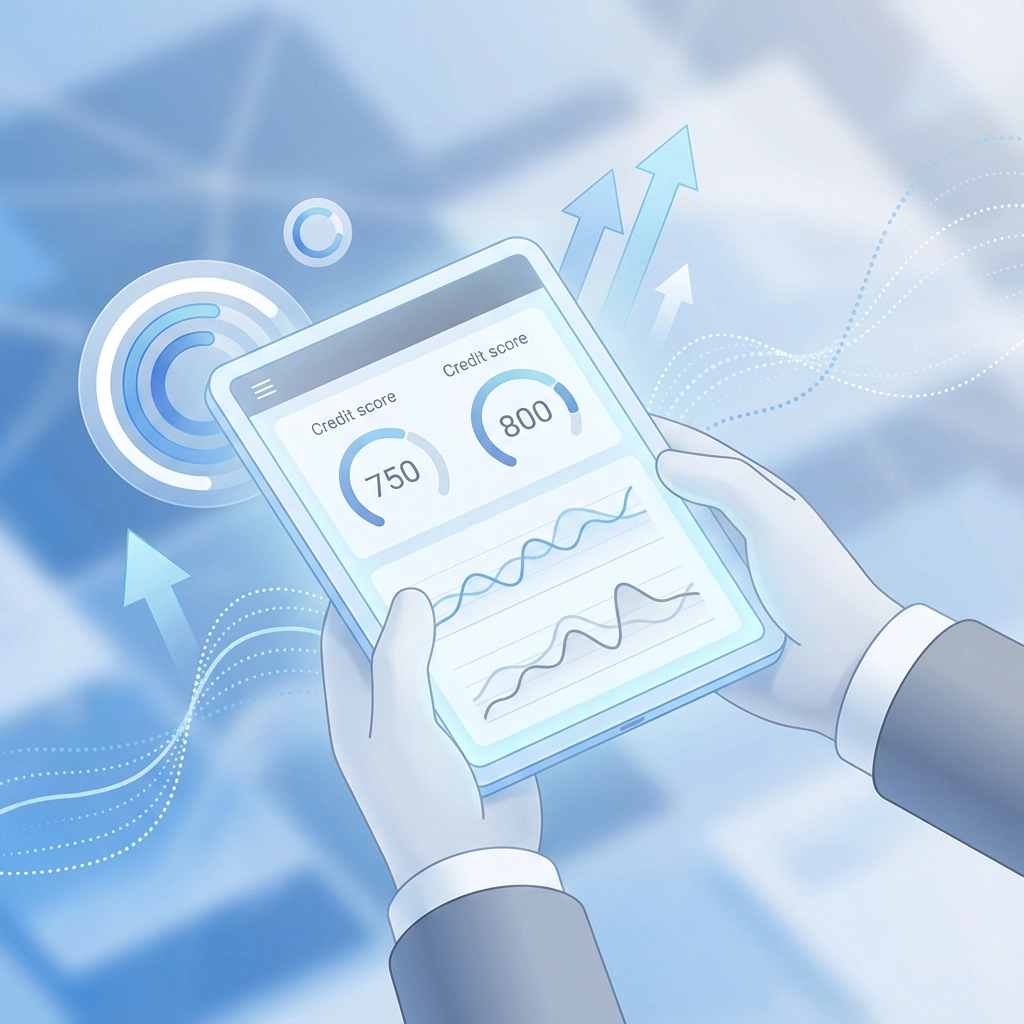
Let's address the elephant in the room: your credit score matters, but it's not everything. Here's what you need to know:
Fair credit (580-669): You qualify for most alternative lending options, some SBA programs, and equipment financing. Expect higher rates but plenty of options.
Poor credit (300-579): Your options narrow, but don't give up. Invoice factoring, some merchant cash advances, and asset-based lending are still available. Focus on building business credit while you grow.
No credit history: Treat this like poor credit initially, but you can build business credit faster than you think.
Your Step-by-Step Action Plan
Step 1: Calculate Your Working Capital Needs
Start by figuring out exactly how much you need. List your monthly expenses:
- Rent and utilities
- Payroll and benefits
- Inventory or materials
- Marketing and advertising
- Insurance and professional services
- Loan payments and other fixed costs
Multiply by 3-6 months to get your working capital target. This gives you breathing room while you build revenue.
Step 2: Clean Up What You Can
You might not have perfect credit, but you can improve what you've got:
- Pay down existing debt where possible
- Fix any errors on your credit report
- Don't close old credit accounts (this hurts your credit age)
- Keep credit utilization below 30%
Step 3: Gather Your Documentation
Most lenders want to see:
- Business plan or executive summary
- Personal and business tax returns (if available)
- Bank statements (3-6 months)
- Profit & loss statement
- Balance sheet
- List of business debts and assets
Don't have all of these? That's okay. Start with what you have and build from there.
Step 4: Apply Strategically
Don't shotgun applications everywhere. Each credit inquiry can ding your score. Instead:
- Start with the most likely approvals (equipment financing if you need equipment, invoice factoring if you have outstanding invoices)
- Consider working with a broker who can match you with appropriate lenders
- Apply to 2-3 options maximum in a short window (credit agencies typically count multiple inquiries in a 14-45 day period as a single inquiry)

Common Mistakes to Avoid
Borrowing too much too soon: More debt isn't always better. Borrow what you need, not what you can get.
Ignoring the fine print: Understand exactly what you're signing. Some products have daily or weekly payments that can strain cash flow.
Mixing personal and business finances: Keep them separate from day one. It makes everything cleaner for lenders and tax purposes.
Not building business credit: Start building business credit immediately. Get a business credit card, establish trade lines with suppliers, and register with business credit agencies.
What to Do If You Get Rejected
Rejection isn't the end of the story. Ask the lender specifically why you were denied and what you can do to improve. Common reasons include:
- Insufficient time in business
- Low cash flow
- Too much existing debt
- Industry risk factors
Address these issues and reapply in 3-6 months, or try a different type of lender entirely.
The Bottom Line
Getting working capital for your startup without perfect credit isn't just possible: it's happening every day. The key is matching your situation with the right type of financing and having realistic expectations about terms and rates.
Your credit score is important, but it's not the only factor lenders consider. Your business plan, cash flow, industry experience, and growth potential all matter too.
Start where you are, use what you have, and do what you can. Every successful business started somewhere, and most didn't have perfect credit when they began.
Ready to explore your funding options? Check out our comprehensive guide to business funding solutions and see how we can help you secure the working capital your startup needs to thrive.
Remember: the best funding option is the one that gets you the capital you need at terms you can live with, helping you build the business you've been dreaming about.
Leave a Reply